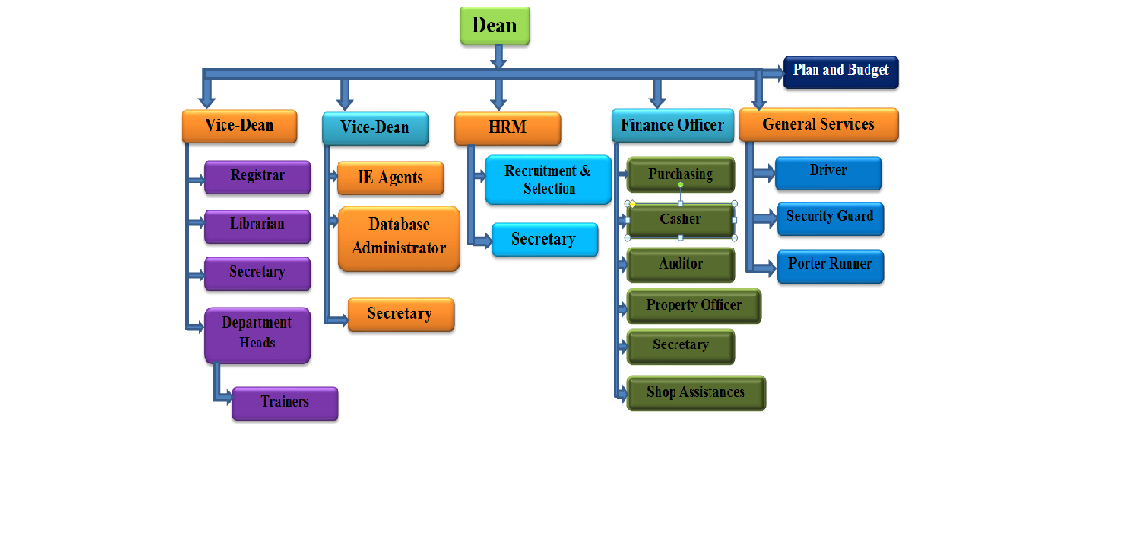
Types of Tasks Assigned to Employees for TVET by Authorized Users
TVET Task Assignment Guidelines
1. Training and Development Tasks
Hands-On Training: Employees are assigned tasks to practice and improve specific technical skills such as machine operation, welding, or culinary techniques.
Course Participation: Employees are required to attend formal training courses, workshops, or webinars aimed at enhancing their professional development.
Assessment Preparation: Employees prepare for assessments by completing mock tests, practical exercises, or studying course materials.
Project Work: Employees are assigned projects that encourage applying theoretical knowledge to real-world situations, such as creating prototypes or solving technical problems.
2. Operational and Technical Tasks
Lab and Workshop Management: Employees are tasked with overseeing the smooth running of training labs or workshops, ensuring that all tools and equipment are available and operational.
Equipment Maintenance: Employees are responsible for inspecting, maintaining, and repairing machinery and technical tools used in training environments.
Resource Management: Employees manage training resources such as materials, tools, and consumables to ensure that the necessary supplies are available for training sessions.
3. Administrative Tasks
Attendance Tracking: Employees are tasked with monitoring and recording attendance for training sessions, ensuring that students are complying with schedules.
Documentation and Reporting: Employees prepare necessary documentation, including progress reports, training summaries, and performance evaluations.
Scheduling and Coordination: Employees are responsible for creating and managing training schedules, coordinating with instructors and trainees to ensure smooth operations.
4. Evaluation and Feedback Tasks
Performance Reviews: Employees participate in performance evaluations, assessing both their own and their trainees' progress based on specific criteria.
Feedback Collection: Employees are tasked with collecting feedback from students regarding training sessions to improve the quality of training provided.
Quality Assurance: Employees review training programs, ensuring that the content, teaching methods, and materials meet the necessary quality standards.
5. Compliance and Safety Tasks
Safety Inspections: Employees perform regular safety checks in training areas to ensure compliance with safety standards and regulations.
Health and Safety Training: Employees attend training sessions that teach safety protocols for working with hazardous materials, tools, and machinery.
Regulatory Compliance: Employees ensure that the training programs meet regulatory requirements, obtaining necessary certifications and maintaining standards.
6. Project Management Tasks
Curriculum Development: Employees participate in designing or updating training curricula to ensure alignment with industry standards and emerging trends.
Program Evaluation: Employees assess the effectiveness of training programs, reviewing outcomes and suggesting improvements based on feedback and results.
Collaboration on Research: Employees are involved in research projects aimed at exploring new training technologies, teaching methodologies, or industry trends.
7. Student Support Tasks
Mentoring and Coaching: Experienced employees are assigned to mentor and guide less experienced employees or students, helping them build skills and career knowledge.
Career Guidance: Employees assist students with career planning, offering advice on job prospects, industry trends, and necessary skills.
Student Engagement: Employees lead extracurricular activities or events to engage students in industry-related projects, enhancing their learning experiences.
8. Technology Integration Tasks
E-Learning Content Management: Employees manage online learning platforms, ensuring that digital content is up to date and accessible to students.
Technical Support: Employees provide technical assistance to both staff and students who are using digital tools for learning.
Software/Tool Training: Employees are tasked with providing training on new software or tools that are relevant to their technical field.